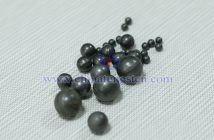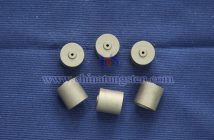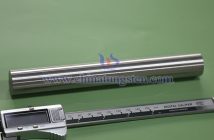
Cemented carbide bearing balls (mainly made of tungsten carbide-based cemented carbide) are widely used in harsh operating conditions where ordinary steel balls cannot meet their requirements due to their extremely high hardness, wear resistance, corrosion resistance, and good toughness. The following are their main application scenarios:

Aerospace is one of the most typical applications of cemented carbide bearing balls. Aircraft engine spindle bearings, turbopump bearings, gyroscopes, and precision bearings in flight control systems all need to withstand extremely high speeds, drastic temperature changes, and strong vibrations. Ordinary steel balls are prone to pitting and wear failure under such conditions, while tungsten carbide balls can maintain stable performance within a temperature range of -50℃ to 500℃, significantly extending bearing life.
High-end machine tools and precision instruments are also important applications. Spindle bearings in CNC machine tools, electric spindles, coordinate boring machines, and precision grinding machines often employ carbide ball bearings or hybrid ceramic bearings (tungsten carbide balls + ceramic cages). These allow for higher speeds, lower temperature rise, and longer precision retention times, making them particularly suitable for modern machining methods such as high-speed dry cutting and micro-lubrication.
In petroleum, chemical, and marine engineering, bearings in drilling tools, mud pumps, deep-sea valves, and submersible pumps operate under highly corrosive media (acids, alkalis, seawater) and high-wear environments containing slurry. Cemented carbide bearing balls, with their excellent resistance to seawater corrosion and abrasive wear, are key components for achieving long service life and maintenance-free operation in these devices.
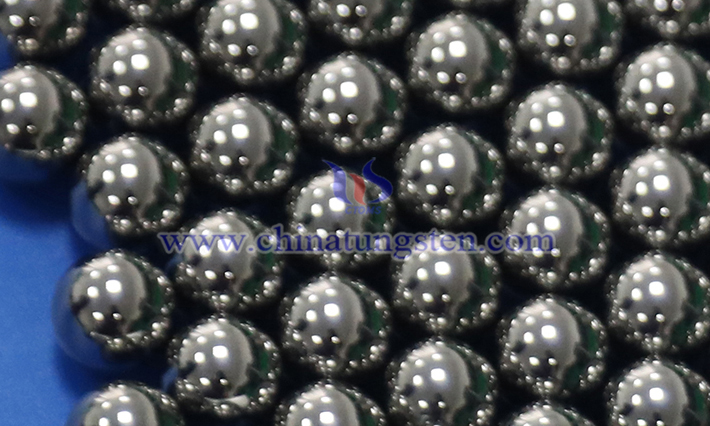
Carbide bearings are also increasingly used in the new energy vehicle and wind power generation sectors. High-speed bearings in electric vehicle drive systems, pitch bearings in wind turbine spindles, and yaw bearings often employ cemented carbide bearing balls or all-carbide bearings, effectively handling the centrifugal forces from high speeds and the impacts from frequent start-stop cycles.
In addition, cemented carbide bearing balls are also the preferred material in applications requiring extreme lightweighting, high reliability, and miniaturization, such as medical devices (high-speed dental drills, surgical power systems), military applications (missile servos, tank fire control systems), and high-end sports equipment (racing bicycle hubs).